The Essence of Typing in the Digital Age
In today’s digital age, mastering the art of typing is not just a skill; it has become an essential technique. Every tap on the keyboard carries weight in the realms of education and career. Students rely on fast typing speeds to complete assignments efficiently, while professionals understand that accuracy and speed can mean the difference between a successful project and one plagued with errors. We must embrace this vital skill with both hands positioned correctly over the keyboard, eyes fixed on the computer screen, ready to navigate the digital world. Speed typing or fast typing is the fastest way to communicate ideas and execute tasks in an environment that values time. It requires much effort but promises significant returns in the long run.
Key Takeaways:
Touch typing has emerged as the most important factor in achieving proficiency in typing, using distinct finger-key-combinations for english words and special characters.
Good posture and correct finger placement on the home row keys become crucial in minimizing error rates and enhancing typing speed.
Utilizing online tools and daily practice tests can significantly boost one’s typing skills, making the journey towards fast typing speed more attainable and rewarding.
Foundations of Speed Typing
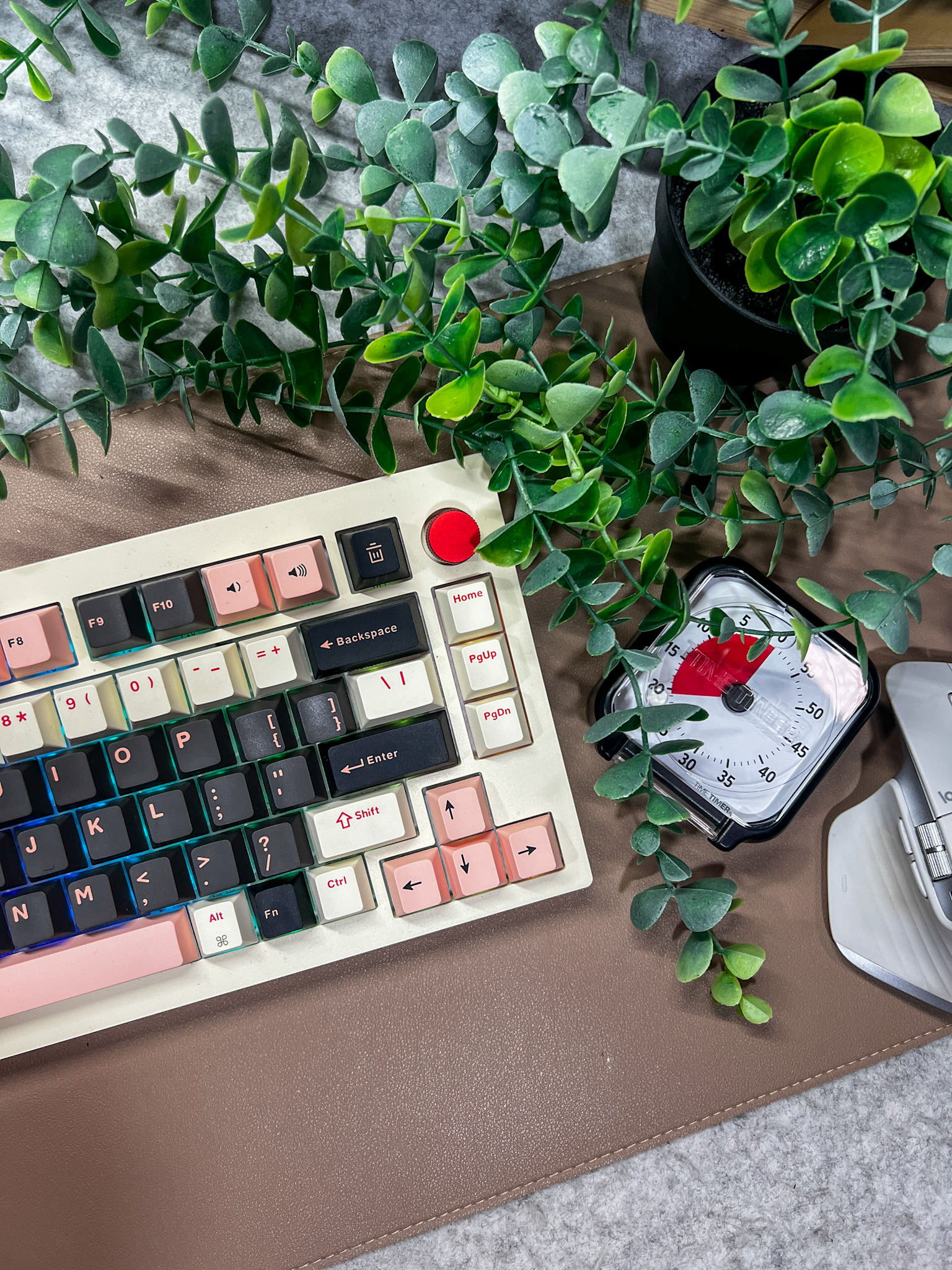
The journey into the realm of speed typing unfolds a fascinating history littered with evolving methodologies. Mastery of the keyboard layout is a necessity in the digital world and paved the path from the cumbersome mechanical keyboards (these type of keyboards is being used by many tech enthusiast now and expensive too) of high school typing lessons to sleek, digital interfaces. Traditional methods, grounded in repetitive practice and the muscle memory of finger movements across the keyboard, underscore the importance of the touch-type method. This technique, transforming the act of typing from a chore into an essential skill, signaled a shift. It marked a transition from the old method of hunt-and-peck to a more refined approach where each finger has its distinct role. As typing evolved into a fundamental component of computer-based work, the quest for speed and accuracy gained momentum. Innovations, such as predictive text, revolutionized the way we interact with keyboards. Yet, at the heart of speed typing lies a blend of the past and future, where learning the correct finger placement and embracing daily typing practice are key to unlocking efficiency.
The Basics: Understanding Keyboard Layout
Familiarizing oneself with the keyboard layout has stood as a cornerstone in the journey to mastering speed typing. At first glance, a computer keyboard might seem daunting with its array of keys including letters, numbers, special characters, and more. However, breaking it down, the standard layout is more intuitive than it appears. The home row keys, where your fingers naturally rest, are central to touch typing, with the index fingers positioning over the J and F keys. Notably, each key is designated to a specific finger, enabling efficient movement across the keyboard without the need to look down. This method not only boosts typing speed but significantly reduces error rates over time. Engaging in daily practice, you will notice your fingers naturally finding their way to the right keys, leveraging muscle memory. This fundamental understanding serves as the fastest way to enhance typing skills, laying a solid foundation for further improvement.
Touch Typing: The Fundamental Technique
In an era dominated by the digital world, mastering the art of touch typing has transformed from a desirable skill to an essential technique. Touch typing, or the ability to type without glancing at the keyboard, relies heavily on muscle memory. This method makes use of distinct finger-key-combinations for English words, numbers, and special characters, ensuring each finger is responsible for a specific key area. By employing this technique, you can significantly reduce error rates and increase typing speed over time.
The most important factor in becoming a fast typist is developing this muscle memory. It involves a lot of time and practice but is the fastest way to accuracy and speed. Utilizing online typing tests, you can monitor progress and set new goals. Remember, the correct finger placement and daily minutes of practice will result in a noticeable improvement in a short time. Thus, touch typing stands out as the cornerstone for anyone aiming to navigate the digital world efficiently.
Proper Hand Placement: A Guide
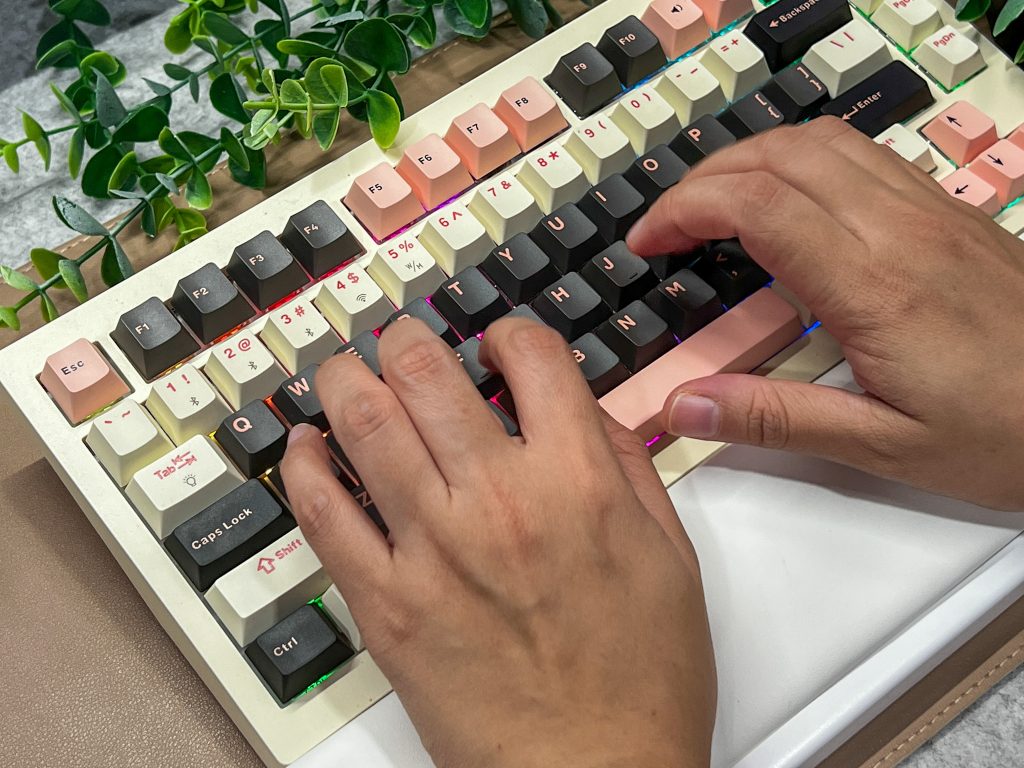
Mastering the touch-type method begins with establishing a solid foundation: proper hand placement on your keyboard. This essential technique ensures your fingers glide swiftly over the keys, minimizing errors and maximizing speed. For the left hand, position your index finger on the ‘F’ key, feeling for the little bump to confirm its location. Your remaining fingers should rest on the ‘D’, ‘S’, and ‘A’ keys, forming the base position. Similarly, for the right hand, align your index finger on the ‘J’ key, using the raised line as a guide. The ‘K’, ‘L’, and ‘;’ keys will be under your other fingers. Remember, your thumbs lightly hover over the space bar, ready to press it after you type words. This setup not only optimizes accuracy but also facilitates faster typing as your muscle memory builds with practice. Embracing this layout proves to be the fastest way to refine your typing technique, transforming you into a proficient typist over time.
Practicing Good Posture
Many overlook the critical role that maintaining good posture plays in mastering speed typing. As you embark on typing exercises, it’s imperative to sit in a comfortable chair. This initial step might seem trivial, yet it paves the way for speed typing mastery. A slouched position will only hinder progress. Keeping your back straight aligns your body optimally, fostering an environment where typing speed and accuracy can flourish.
Imagine the gradual improvement in your typing skills as each minute of practice passes. Good posture ensures that no extra effort is wasted on correcting erroneous keystrokes caused by awkward sitting positions. Over a long time, this attention to posture translates into a significant enhancement in both the accuracy of any cited facts and your overall typing skills. Indeed, adopting the correct posture might be the simplest way, yet the most important factor, in becoming a fast typist in the digital world.
Daily Typing Exercises and Routine
Embarking on the journey to fast typing speed and accuracy requires dedication. Daily exercises play a crucial role in this endeavor. Start with a comfortable chair in front of your computer screen; good posture sets the stage for success. Register for any online typing tutors and set aside 30 minutes of practice each day; consistency is key.
Focus on touch typing, the essential technique for speed. This method relies on muscle memory, allowing you to type without looking at the keyboard. Begin by memorizing the base position: your left hand on A, S, D, F, and the right hand on J, K, L, ;. These positions are fundamental for mastering the keyboard layout.
1. Index fingers on F and J: Practice pressing keys using the correct finger placement, starting with your index fingers. The raised line on F and J keys will guide you back to base position without having to look down.
2. Use online typing tests: Measure your current speed and accuracy regularly. These tests offer real words and sentences, pushing you to improve both aspects.
3. Typing games and drills: Engage in activities that challenge your speed and accuracy. Look for ones that include special characters and number row to become proficient in all areas of the keyboard.
Acknowledge mistakes as part of learning. Every error corrects with practice, leading to muscle memory development. Over time, you’ll see major improvements in typing, an indispensable skill in today’s digital world.
Leveraging Technology: Online Typing Tools
In the quest to master speed typing, technology plays a vital role. Today, a plethora of online typing tools stands ready to guide you from the fundamentals to advanced techniques. Free online typing tutors offer a seamless initiation into the world of touch typing, where muscle memory leads to proficiency. These platforms often feature exercises tailored for your current typing speed, gradually pushing limits to boost accuracy and pace.
Engaging with an online typing test is crucial for gauging progress. These tests measure not only speed but the accuracy of each keystroke, pinpointing areas needing improvement.

Monitoring Progress with Typing Tests
You have dedicated a lot of time and much effort improving your speed typing skills. A crucial component of this journey involves regularly taking online typing tests. These tests serve not just as benchmarks for your current typing speed but also as a mirror reflecting the effectiveness of your practice routines. With every online typing test, you discover how far you have reached and what remains to be tackled.
Choosing the right online typing test can significantly impact your progress. Look for tests that challenge your accuracy and speed in equal measure. Ensure these tests cover a wide array of English words, including special characters and distinct finger-key combinations. After completing a test, set new goals based on your results. Aim to reduce error rates while increasing speed. Remember, the path to becoming a fast typist isn’t a sprint but a marathon that demands persistence and regular assessment through these tests.
Overcoming Common Pitfalls
Many embark on the journey to master speed typing, but a lot of time, errors deter progress. Misaligned finger placement often leads to an increased error rate, slowing down your overall speed. To rectify this, dedicating at least 30 minutes of practice each day to correcting finger placement will build the muscle memory necessary for fast typing speed. Wrong hand posture can also contribute to mistakes and discomfort over long periods. Ensuring you sit in a comfortable chair with a straight back will make a significant difference.
Another pitfall is relying too much on looking down at the keyboard. This old method disrupts the development of the essential skill known as the touch-type method. Looking at the screen only while typing will force you to rely on your spatial awareness and memory, the fastest way to improve. Lastly, inconsistency in practice leads to stagnant progress. Setting aside a specific amount of time daily for typing lessons will ensure steady improvement and help you overcome these common hurdles.
Charting Your Course to Typing Excellence
A journey to mastering fast typing tests your dedication and effort (It took me 2 weeks to learn and achieve 120 wpm). Much like learning to touch-type method, this process demands you to find the correct finger placement on the home row keys and navigate through the virtual keyboard without a glance. You spent a considerable amount of time practicing with a goal in mind, and now, you stand on the brink of achieving it. Typing efficiently is not just about the fingers moving swiftly but also about maintaining good posture and ensuring the accuracy of any cited facts.
Utilizing free online typing tutor tools transformed the way you approached typing practice. Daily minutes of practice evolved into a habit, strengthening your muscle memory for that distinct finger-key-combination. Be it the shift key for special characters or the space bar with your thumbs, every specific key became second nature. Now, as you embark on online typing tests, the improvement in your current typing speed against the clock showcases your progress. You became a testament that with the right keys to practice and persistence, becoming a fast typist was an attainable feat.
Remember, the digital world hinges upon the power of communication and information. Your ability to swiftly navigate a computer keyboard not only sets you apart in professional settings but also opens numerous doors to opportunities. As you continued overcoming common pitfalls with ease, you proved that mastering speed typing is more than just an essential skill; it’s a pathway to excellence in the digital age. Let this journey be a reminder that every little bump along the way was worth the long run to typing excellence.