
Introduction
Have you ever started a project with lots of excitement and a solid plan, only to realize later that you underestimated how much work it would take? This happens to a lot of us, and it’s called the planning fallacy. It’s a common mistake where we think tasks will take less time and effort than they actually do, even though past experiences should warn us to be careful.
This idea was first pointed out by Daniel Kahneman and Amos Tversky. They showed how our natural tendency to be optimistic and wishful leads us to underestimate what it takes to finish a project. This isn’t just something that affects big projects like building the Sydney Opera House; it happens in our everyday lives too.
In our article, we’ll take a closer look at the planning fallacy. We’ll see how it comes from our habit of being overly optimistic and hopeful. We’ll also see how it affects decisions we make, whether we’re running a business or managing a project. And most importantly, we’ll learn some practical tips to help us plan projects better and manage our time wisely. We’ll use real examples and past experiences to make sure we’re more realistic the next time we take on a similar task.
Key Takeaways:
- Awareness of the planning fallacy: Understanding this cognitive bias is crucial for setting more realistic project timelines.
- Strategies to counteract: Employing methods like the outside view and considering past experiences can improve time estimation.
- Applying lessons from history: Analyzing historical examples provides valuable insights into avoiding common pitfalls in future endeavors.
Why Are We Bad at Setting Realistic Timelines
When we plan for future tasks, we often make them seem easier than they actually are. This happens because our brains have a habit of being overly optimistic, which makes us think everything will go smoothly. Two psychologists, Daniel Kahneman and Amos Tversky, showed us how this optimism can trick us.
They found that we tend to focus on the good things that might happen and ignore the bad stuff, even when we should know better from past experiences. This optimism bias affects not only business owners and project managers but also students working on big assignments or doctors planning surgeries.
Because we’re too optimistic, we often end up underestimating how long things will take. This leads to problems in projects like building things or even in our personal goals. But if we understand that we have this bias and learn from Kahneman and Tversky’s research, we can start to be more realistic in our planning. That’s the first step to setting better deadlines and making real progress in getting things done on time.
The Impact of the Planning Fallacy
When we’re overly optimistic and wishful about our plans, we often fall into the trap of the planning fallacy. This means we underestimate how long things will take and how much work we can handle. It’s not just project managers who deal with this; people in all kinds of jobs face the same problem.
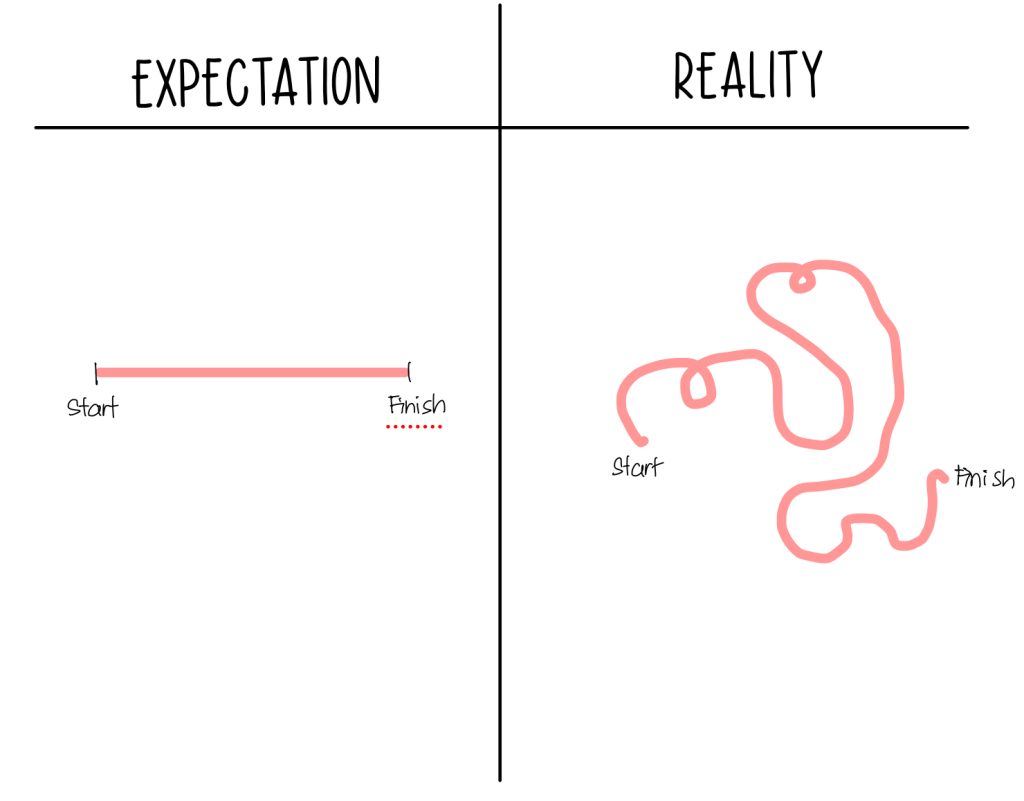
This mistake can cause big problems, like with the Sydney Opera House construction or building the Canadian Pacific Railway. They both took much longer and cost more than expected because people didn’t plan properly. We tend to focus on the good things and ignore the bad when making plans, which leads to unrealistic deadlines and outcomes.
This isn’t just a problem for big projects; it affects small ones and personal goals too. To fix it, we need to look at past experiences and similar projects to make better plans. We need to think about both the good and bad things that could happen. By doing this, we can make our plans more realistic and avoid the problems caused by the planning fallacy.
How to Improve Your Time Estimation Skills
Sometimes, we get too optimistic about our projects and think everything will go perfectly. This makes us set deadlines that are too short. To fix this, start by looking at similar projects and their experiences instead of just guessing.
To fight this way of thinking, use past data to make better estimates for your next project. Check how long similar projects took and what problems they faced. This helps you see that things might be harder than you thought.
When planning, think about both the best and worst things that could happen. This way, you’re ready for anything. Don’t just focus on what you want the project to be like; think about what could go wrong too. By doing this, you’ll be better prepared and your planning will be more realistic.

Tools and Strategies to Combat the Planning Fallacy
Many project managers have struggled with underestimating how much time and resources their tasks need. If you’ve found yourself in this situation because of overly optimistic plans, you’re not alone. The planning fallacy affects lots of different projects, from small businesses growing to surgeons planning surgeries.
But there are ways to deal with this problem. One helpful idea is called implementation intentions. This means figuring out exactly when, where, and how you’re going to do things to reach your goals. Breaking your project into smaller steps makes it less overwhelming and helps you see when you’ll finish.
Technology can also be a big help. Project management software can give you information about similar projects, so you can make better guesses about how long things will take.
Getting advice from people who have experience with similar projects can also be really useful. They can give you a different perspective and remind you to think about the worst things that could happen. Learning from past mistakes and changing your plans based on what actually happens makes your planning process stronger.
Whether you’re managing a big project or helping a friend with their school work, these methods and tools can help you plan better by being realistic and prepared.

Case Studies
The building of the Sydney Opera House is a classic example of the planning fallacy. It was supposed to take four years and cost $7 million but ended up taking 14 years and costing over $100 million. They didn’t realize how hard it would be because they were too optimistic.
The Canadian Pacific Railway had similar problems. It was supposed to be finished in ten years, but it took much longer because of bad weather and tough terrain. These projects show that we often underestimate how hard big projects can be.
People often focus too much on the good things and ignore the bad when planning. They don’t look at similar projects or past experiences to see what could go wrong. But by doing this, they can make better plans and set more realistic deadlines.
Breaking projects into smaller parts and setting realistic deadlines can help avoid problems. These stories teach us that we need to be ready for bad things to happen and plan accordingly for future projects.
Conclusion
Planning how long things will take is often hard because we’re too optimistic. This happens in both big projects, like building landmarks, and small ones. Psychologists like Daniel Kahneman and Amos Tversky have taught us about this problem called the planning fallacy. They showed us how being too hopeful can mess up projects.
But there’s good news! We’ve learned some helpful ways to make better plans. By looking at past projects, breaking tasks into smaller steps, and thinking about both good and bad outcomes, we can get better at estimating time. These tools, along with using past data and being aware of our tendency to be too optimistic, can help project managers and small business owners make more realistic plans.
Learning from examples like the Sydney Opera House and the Canadian Pacific Railway shows us how underestimating project time can cause big problems. By paying attention to good project management, learning from past projects, and breaking our tasks into smaller parts, we can finish projects on time and avoid being too optimistic.
So let’s use these strategies in our own projects, big or small. By being realistic and learning from the past, we can make better decisions and manage our time more effectively. This helps us reach our goals without being overly hopeful.